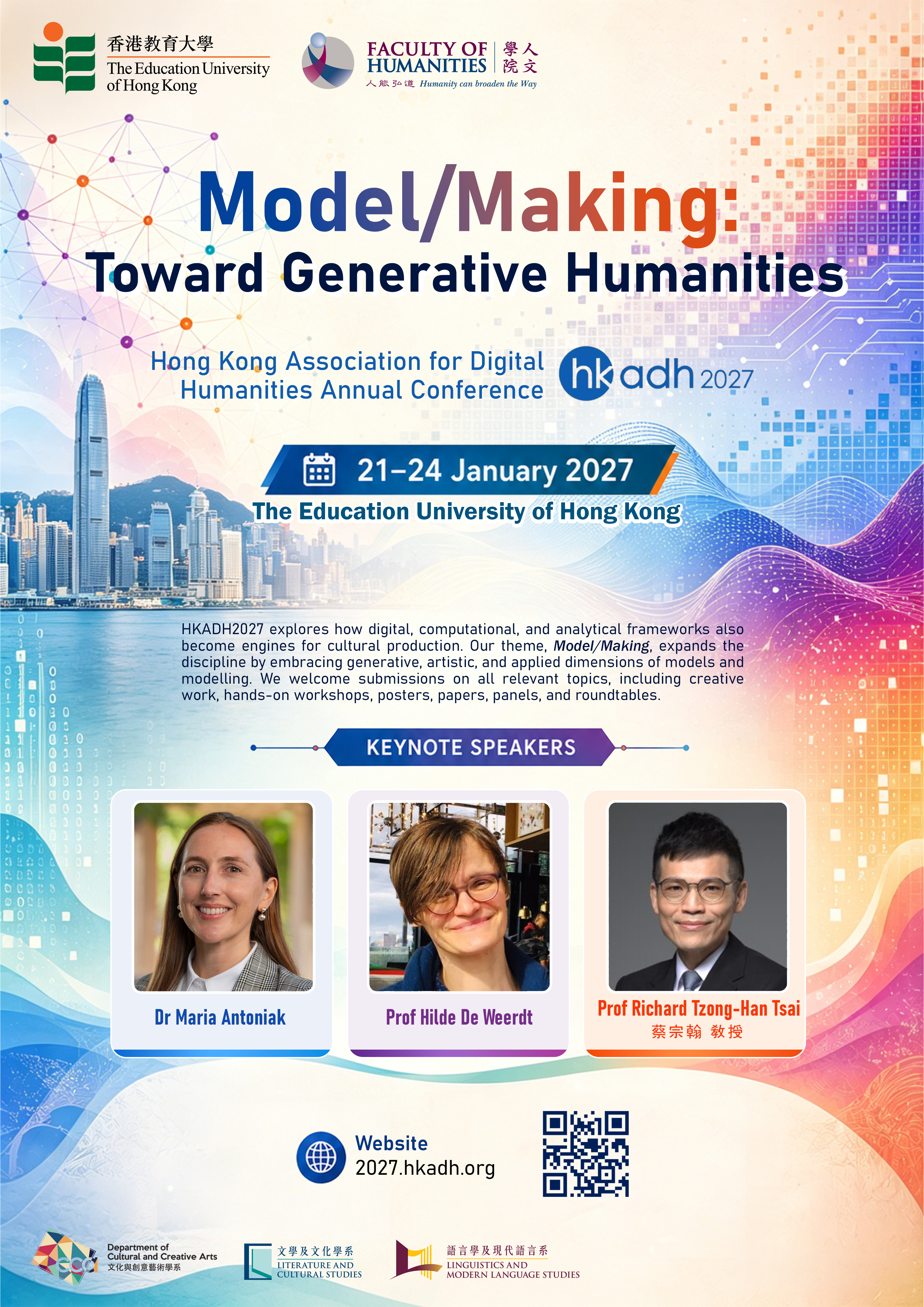
 21-24 January
Posters
Ideal for presenting work-in-progress and receiving immediate feedback.
Submit a 750-word abstract. Full posters should not be submitted.
Hong Kong Association for Digital Humanities Annual Conference
HKADH 2027 welcomes submissions that explore how models and modelling shape digital humanities as analytical practice, cultural production, artistic experimentation, and applied public work.
Hosted by The Education University of Hong Kong
The concept of the model has been core to digital humanities, in the form of standards, statistics, prototypes, and practices. Building on this longstanding tradition, HKADH 2027 explores how digital, computational, and analytical frameworks also become engines for cultural production.
Alongside established analytical practices, the event will highlight emerging horizons coming into view. The theme, Model/Making, expands the discipline by embracing the generative, artistic, and applied dimensions of models and modelling.
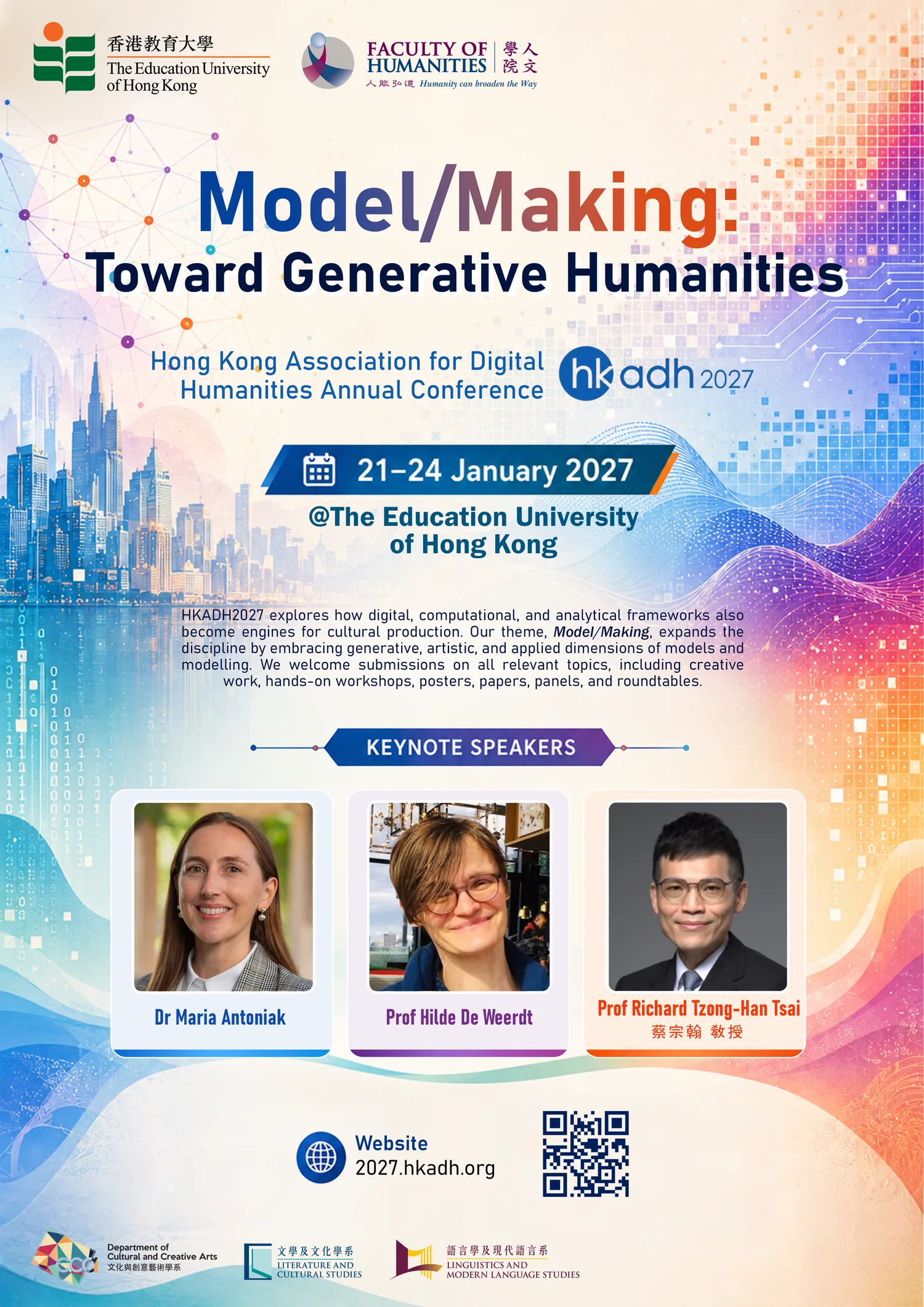
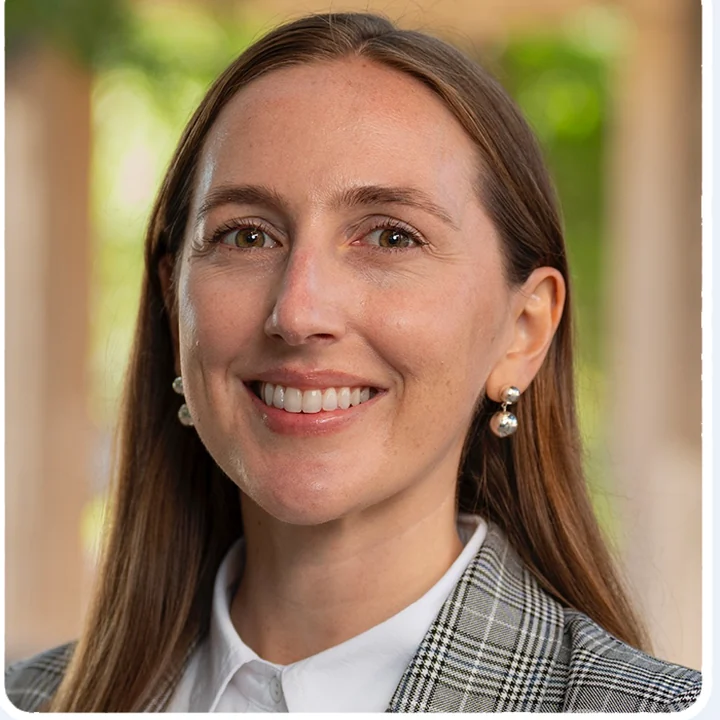
University of Colorado Boulder
Research in natural language processing, cultural analytics, healthcare, online communities, and computational humanities.
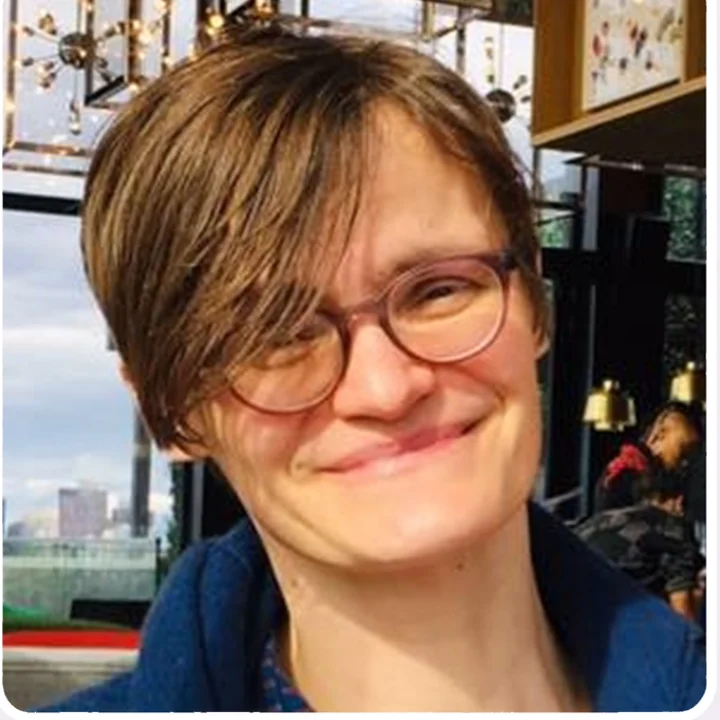
KU Leuven
Research in Chinese history, early modern global history, information history, and digital methods for East Asian texts.
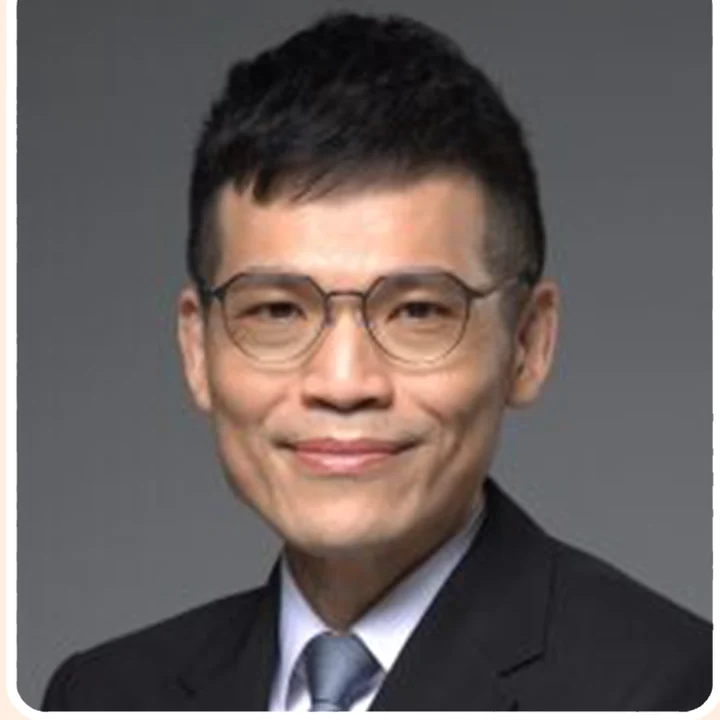
National Central University / National Taiwan University / Academia Sinica
Research in natural language processing, artificial intelligence, and computational language technologies.
We welcome submissions on all relevant topics and we invite different kinds of contributions, including creative work, hands-on workshops, posters, papers, panels, and roundtables.
Ideal for presenting work-in-progress and receiving immediate feedback.
Submit a 750-word abstract. Full posters should not be submitted.
For sharing research results. Presentations will be 10 minutes, followed by 10 minutes of discussion.
Submit a 750-word abstract. Full papers should not be submitted.
Hands-on demonstrations and exercises involving technology, software tools, and projects, in half- or full-day formats.
Submit a 1000-word abstract, describing participant contributions and event components.
Expert discussion on a shared topic through a collective submission. Roundtables can be 60 or 90 minutes.
Submit a 1000-word abstract, describing participant contributions and event components.
Several papers focused on a joint theme through a collective submission. Panels can be 60 or 90 minutes.
Submit a 1500-word abstract, including component paper descriptions and an overall summary.
Creative work engaging models, modelling, or digital humanities may be submitted in any medium.
Submit a 500-word abstract, with access to at least part of the work, for example via a walkthrough video.
The full programme will be available later.
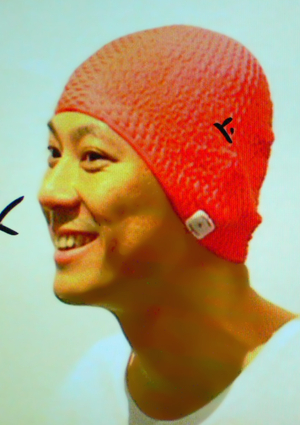
Featured artist: Hung Keung, The Education University of Hong Kong
The art showcase is planned as a conference event alongside the cultural tour. It will feature Hung Keung and may also include selected creative works submitted to the conference.
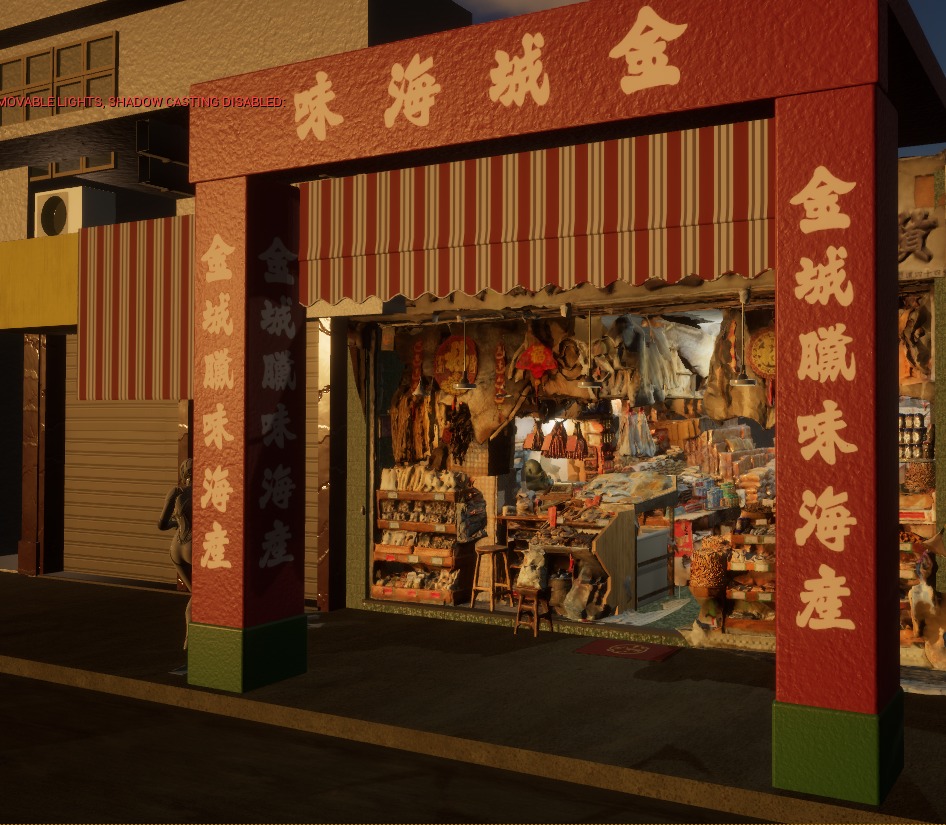
Modeling Memory: Digital Heritage, Urban Change, and Kowloon City in Hong Kong
This cultural tour explores how digital humanities can transform places into models and models into new forms of cultural knowledge. Centered on Kowloon City, participants will visit sites including Kowloon Walled City Park and the historic market district while engaging with digital reconstructions created through photogrammetry, 3D scanning, and immersive storytelling. Drawing on the Digital Kowloon project, led by the Education University of Hong Kong, the tour examines how disappearing shops, objects, and urban spaces can be documented, reconstructed, and reinterpreted through digital technologies.
"Model/Making" is the third annual conference of the Hong Kong Association of Digital Humanities.
The conference is organized and sponsored by the following units at the Education University of Hong Kong: